

Acute Particulate Testing for Blood-Contacting Medical Devices
Blood-contacting medical devices operate in highly sensitive biological environments where material performance, coating stability, and device handling can directly influence patient safety. During manufacturing, preparation, delivery, deployment, or retrieval, devices may generate particulate from coatings, base materials, or interactions within the delivery system.
Particulate introduced into the bloodstream can contribute to embolic events, inflammatory responses, and thrombus formation. To evaluate and control these risks, acute particulate testing is used to assess particle generation under conditions that reflect real clinical use, supporting both safety validation and regulatory planning.
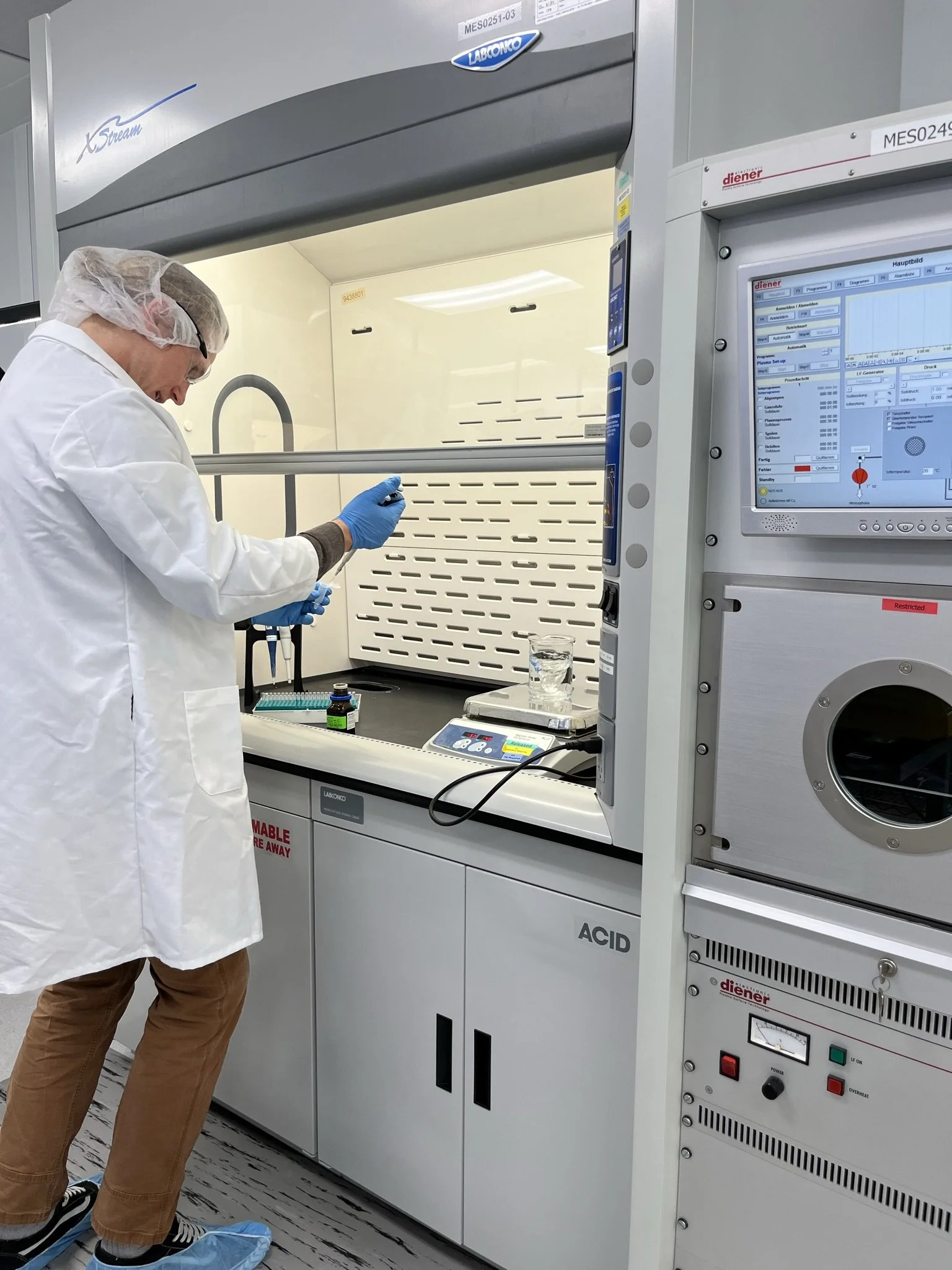
Understanding Acute Particulate Testing
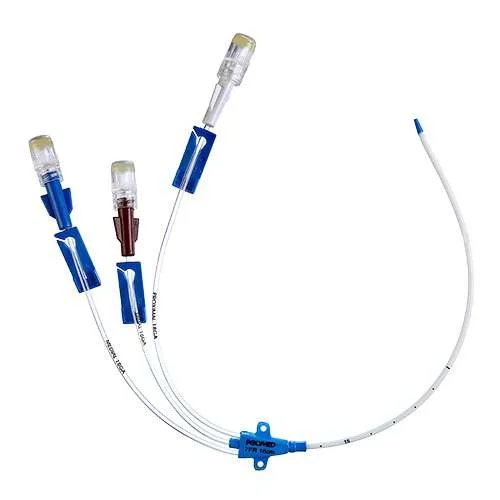
Acute particulate testing evaluates particles generated or released from medical devices during simulated preparation and use. This testing is particularly relevant for vascular and blood-contacting devices, including:
● Interventional catheters
● Stents and delivery systems
● Structural heart devices
● Shunts
● Grafts
● Guidewires and access devices
Testing programs are typically designed around the device’s intended clinical workflow and may include:
● Device preparation and flushing
● Tracking through tortuous path models
● Interaction with delivery systems
● Deployment, expansion, or release
● Retraction, retrieval, or withdrawal
Fluid is circulated through controlled flow-loop or anatomical models, and generated particulate is collected for analysis. Particle characterization includes counting and sizing (e.g., ≥10 µm, ≥25 µm, ≥50 µm) to evaluate potential clinical impact.
Clinical Significance of Particulate Evaluation
Particulate generation is a critical safety consideration for blood-contacting devices. Even low levels of particulate may influence biological responses and device performance.
Potential risks include:
● Microvascular obstruction and embolization
● Activation of inflammatory pathways
● Increased likelihood of thrombus formation
Regulatory expectations require manufacturers to understand particulate sources, assess risk, and demonstrate control over particle generation. Acute particulate testing provides data to support these evaluations across development stages.
Why Simulated Use Testing Matters
Particulate generation is highly dependent on how a device is handled, delivered, and deployed. Simplified extraction methods may not capture the mechanical and anatomical challenges encountered during actual use.
Simulated-use models are designed to reflect real clinical conditions, including:
● Device tracking through complex or tortuous paths
● Interaction between device and delivery system
● Deployment under constrained anatomical conditions
● Recapture, retrieval, and withdrawal processes
By replicating these conditions, simulated-use testing provides more relevant and device-specific particulate data, supporting better risk assessment and design decisions.
Impact of Surface Coatings on Particle Generation
Surface coatings play a critical role in device performance by reducing friction, improving deliverability, and enhancing biocompatibility. However, coatings must maintain integrity under mechanical stress and physiological conditions.
Coating defects or degradation such as cracking, delamination, or abrasion can become a primary source of particulate release. For this reason, coating integrity inspection and particulate testing are closely interconnected.
Evaluation may include:
● Identification of coating cracks, flaking, or peeling
● Detection of surface artifacts or debris
● Assessment of coating changes after simulated use
Understanding coating behavior helps determine whether particulate originates from the coating, base material, or device interaction.
Relationship with Hemocompatibility
Particulate generation directly influences how devices interact with blood. Acute particulate testing is often aligned with hemocompatibility evaluations to provide a more complete biological assessment.
Under ISO 10993-4, devices are evaluated for:
● Hemolysis (red blood cell damage)
● Platelet activation and aggregation
● Coagulation and clotting response
Particles released during simulated use may contribute to thrombogenic or inflammatory responses, making particulate analysis an important factor in overall device evaluation.
Testing Approaches and Regulatory Considerations
Acute particulate testing programs are typically designed based on device type, intended use, and identified risk points. These programs may include:
● Simulated-use model development
● Tortuous path fixture design or selection
● Controlled device handling and preparation
● Particle collection, counting, and sizing
● Optical microscopy and, where appropriate, SEM imaging
Testing strategies may be aligned with relevant regulatory frameworks and guidance, including:
● FDA expectations for medical device evaluation
● ISO 10993 standards for biological assessment
● ASTM and AAMI (e.g., TIR42) recommendations for particulate evaluation
The goal is to generate reproducible, development-stage data that supports regulatory submissions and risk assessment.
Comparative Testing and Design Evaluation
Acute particulate testing is often most effective when used as a comparative tool during development. Testing programs may evaluate:
● Coated vs. uncoated devices
● Predicate devices
● Different coating processes or thicknesses
● Surface preparation methods
● Delivery system configurations
● Design iteration comparisons (e.g., A vs. B)
● Device performance before and after simulated use
This approach helps identify whether particulate generation is associated with the coating, device design, handling process, or testing conditions.
Applications in Medical Device Development
Acute particulate testing supports a wide range of vascular and blood-contacting medical devices, including:
● Cardiovascular and peripheral vascular devices
● Neurovascular systems
● Catheters and delivery systems
● Structural heart devices
● Embolic protection and filtration devices
● Implantable and intravascular components
Testing should be tailored to the finished device, delivery system, and intended use to ensure relevant and actionable results.
Performance Validation and Risk Reduction
Integrating particulate testing into development programs enables manufacturers to identify and address risks early. Key outcomes include:
● Identification of particulate sources and risk points
● Improved coating and material selection
● Optimization of device design and delivery systems
● Generation of regulatory-ready technical data
This structured approach supports more efficient development and reduces the likelihood of downstream issues.
About Alta Biomed
Alta Biomed combines expertise in medical device surface coatings with practical testing support for vascular and blood-contacting devices. The company provides coating integrity inspection and acute particulate testing programs designed around real-world device use.
With capabilities such as simulated-use testing, particle analysis, and microscopy, Alta Biomed supports device development, design evaluation, and regulatory readiness.
By integrating coating expertise with targeted testing strategies, Alta Biomed helps manufacturers better understand particulate risk and improve overall device performance.
Conclusion
Acute particulate testing is a key component in evaluating the safety and performance of blood-contacting medical devices. By assessing particle generation under simulated-use conditions, manufacturers can better understand how devices behave during real clinical use.
As device complexity increases, the ability to evaluate coating integrity, identify particulate sources, and generate reliable data becomes essential for effective risk assessment and regulatory readiness.
By working with experienced partners like Alta Biomed, manufacturers can optimize coating performance, reduce development risks, and accelerate time-to-market.
In today’s highly regulated environment, simulation-based testing is not just a requirement, it is a strategic advantage for delivering safe, high-quality medical devices.