

Applications
Antithrombotic Coating for Vascular Devices
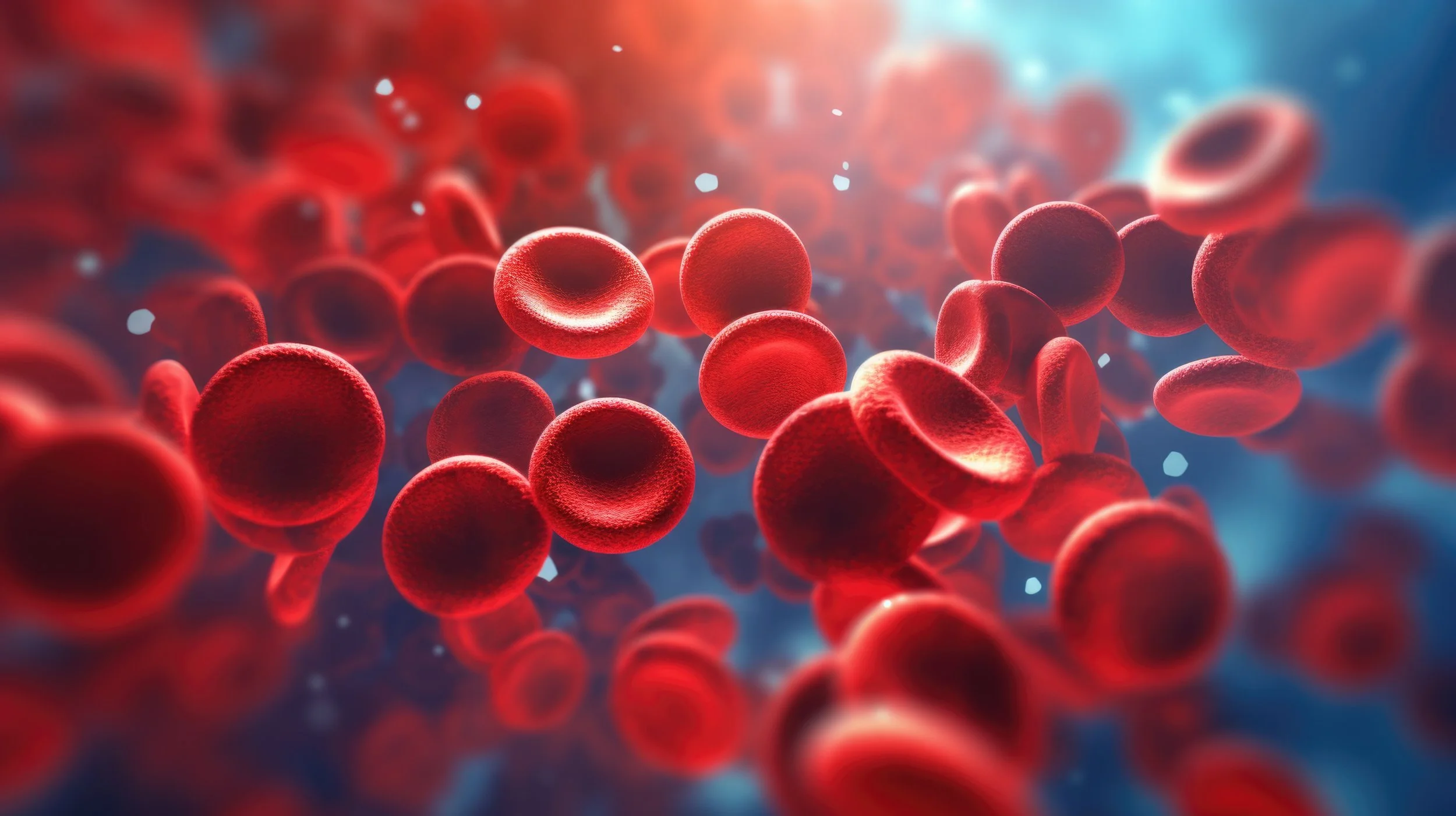
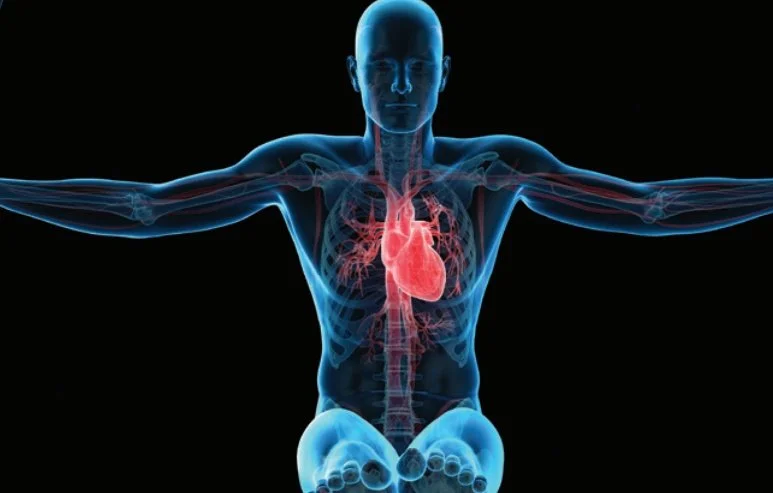
Vascular devices operate in a demanding biological environment where device surfaces may contact circulating blood, plasma proteins, platelets, red blood cells, white blood cells, coagulation factors, and complement-related proteins. Because these interactions occur at the surface, the blood-contacting interface can be an important part of vascular device development.
Many vascular devices require evaluation of both acute blood-contacting performance and longer-term healing-related questions, including endothelial response. Alta provides PzF coating services (and hemocompatibility & particulate testing) for device programs where thrombus formation, coating integrity, hemocompatibility, and vascular healing are important development considerations.
Antithrombogenic Coating for Stents
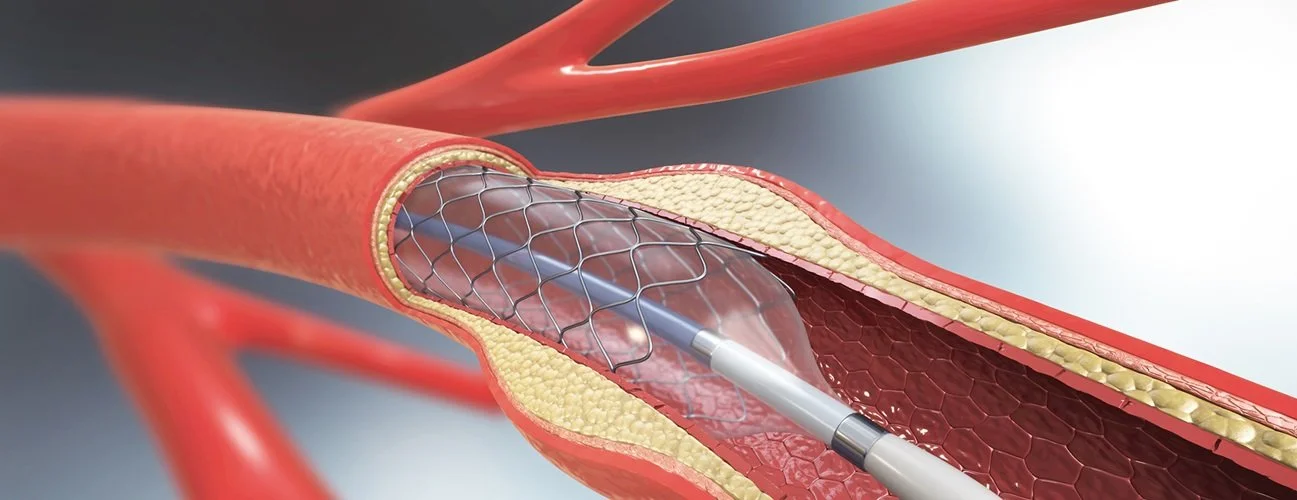
Stents are highly engineered vascular devices that combine demanding mechanical requirements with direct blood contact. Whether the device is a bare metal stent, covered stent, self-expanding stent, balloon-expandable stent, or stent-like implant, the blood-contacting surface can be an important part of device development.
Thrombo-Resistant Coating for ePTFE Grafts
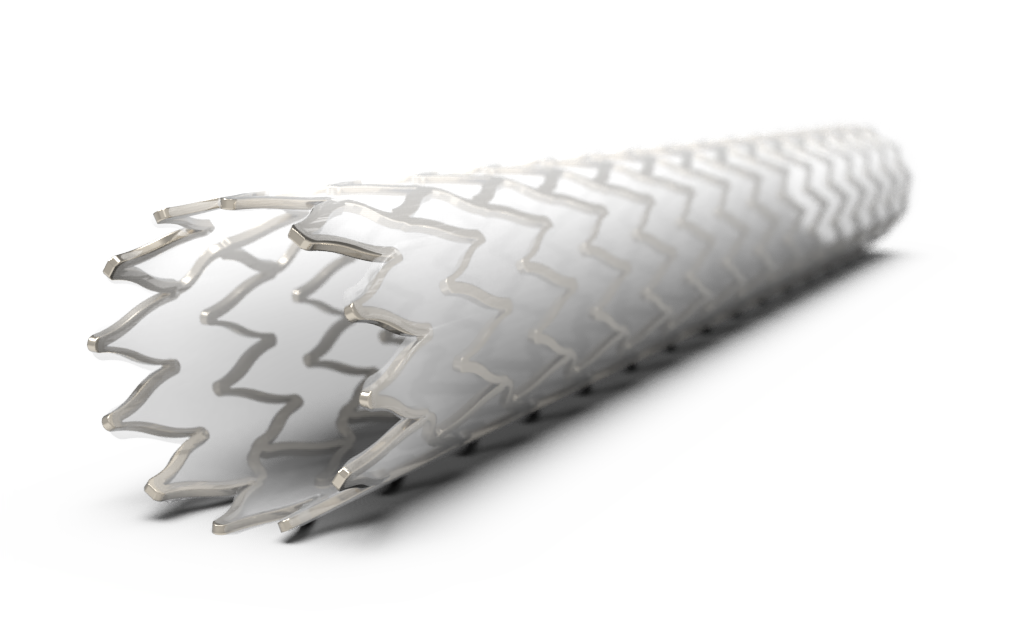
Expanded polytetrafluoroethylene, or ePTFE, is widely used in vascular grafts, covered stents, and other implantable blood-contacting devices. Its chemical resistance, flexibility, porosity, and history of use in vascular applications make it an important material platform. However, ePTFE can also be challenging to modify because of its low surface energy and porous microstructure.
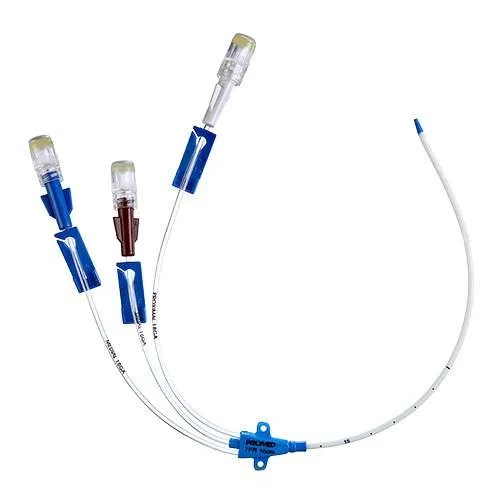
Antithrombotic Coating for Catheters
Catheters and catheter-based devices often include complex polymer constructions, lumens, bonded joints, marker bands, reinforcement layers, and multiple material interfaces. When these devices contact blood, the surface properties of the catheter or device component may influence blood-material interactions during development and testing.
Antithrombotic Coating for Blood Filters
Blood filters and filtration devices are designed to interact with blood while capturing, separating, or managing specific materials within the flow path. Because filtration devices can create high surface area, complex flow paths, and regions of localized blood residence, surface interactions may be an important part of device development.
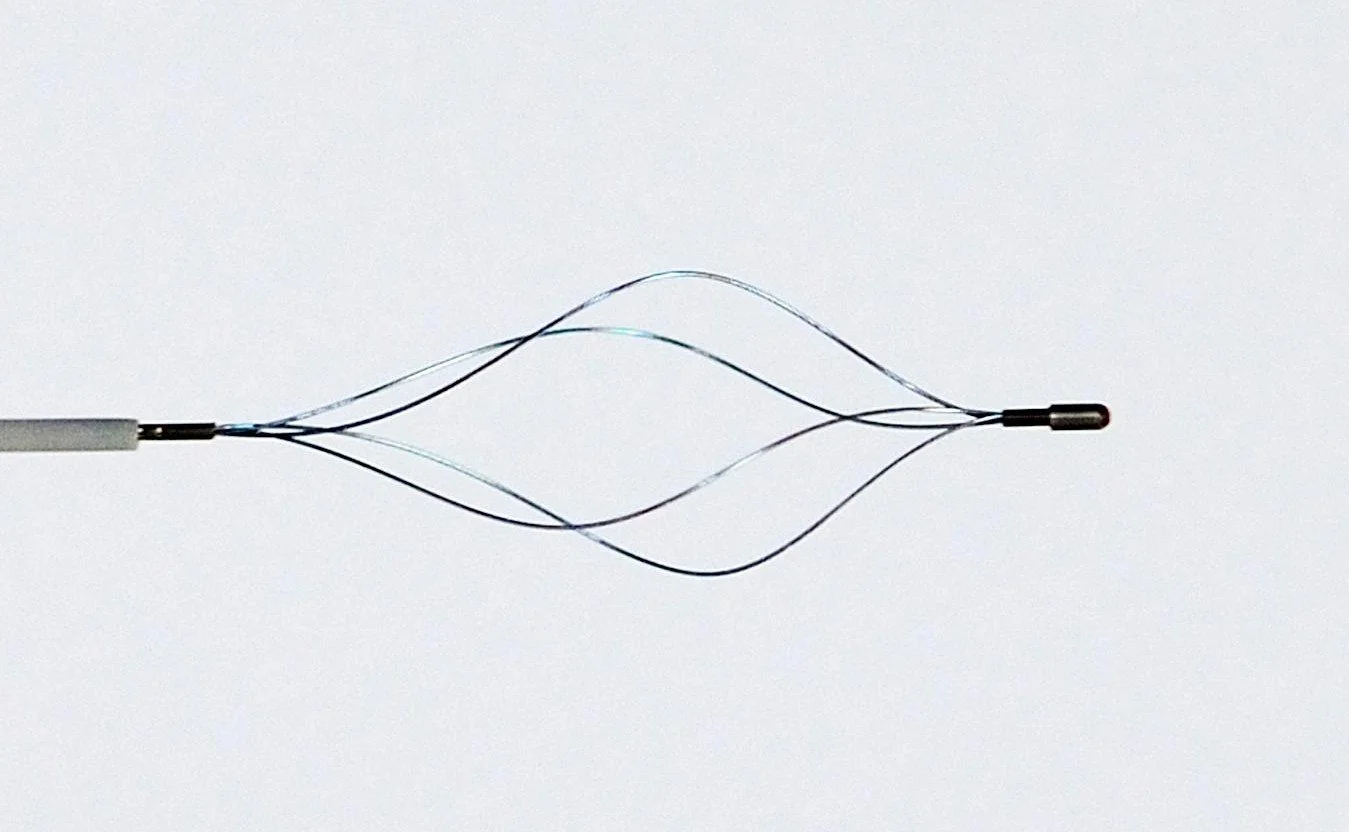
Antithrombotic Coating for Nitinol Devices
Nitinol is widely used in vascular and blood-contacting medical devices because of its superelasticity, shape memory behavior, fatigue resistance, and ability to form complex expandable structures. These properties make nitinol useful for stents, filters, frames, retrieval devices, and catheter-delivered implants.
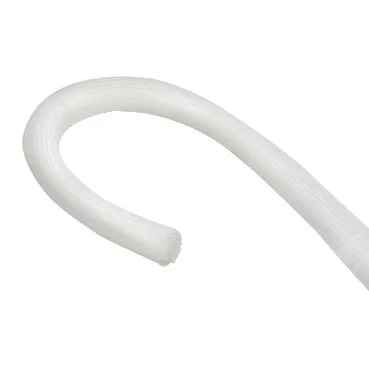
Antithrombotic Coating for PET / Polyester Devices
PET, also known as polyethylene terephthalate or polyester, is used in a range of medical device applications, including vascular graft materials, textile structures, implantable components, and other blood-contacting or tissue-contacting devices. PET is valued for its strength, processability, fiber-forming capability, and history of use in implantable devices.
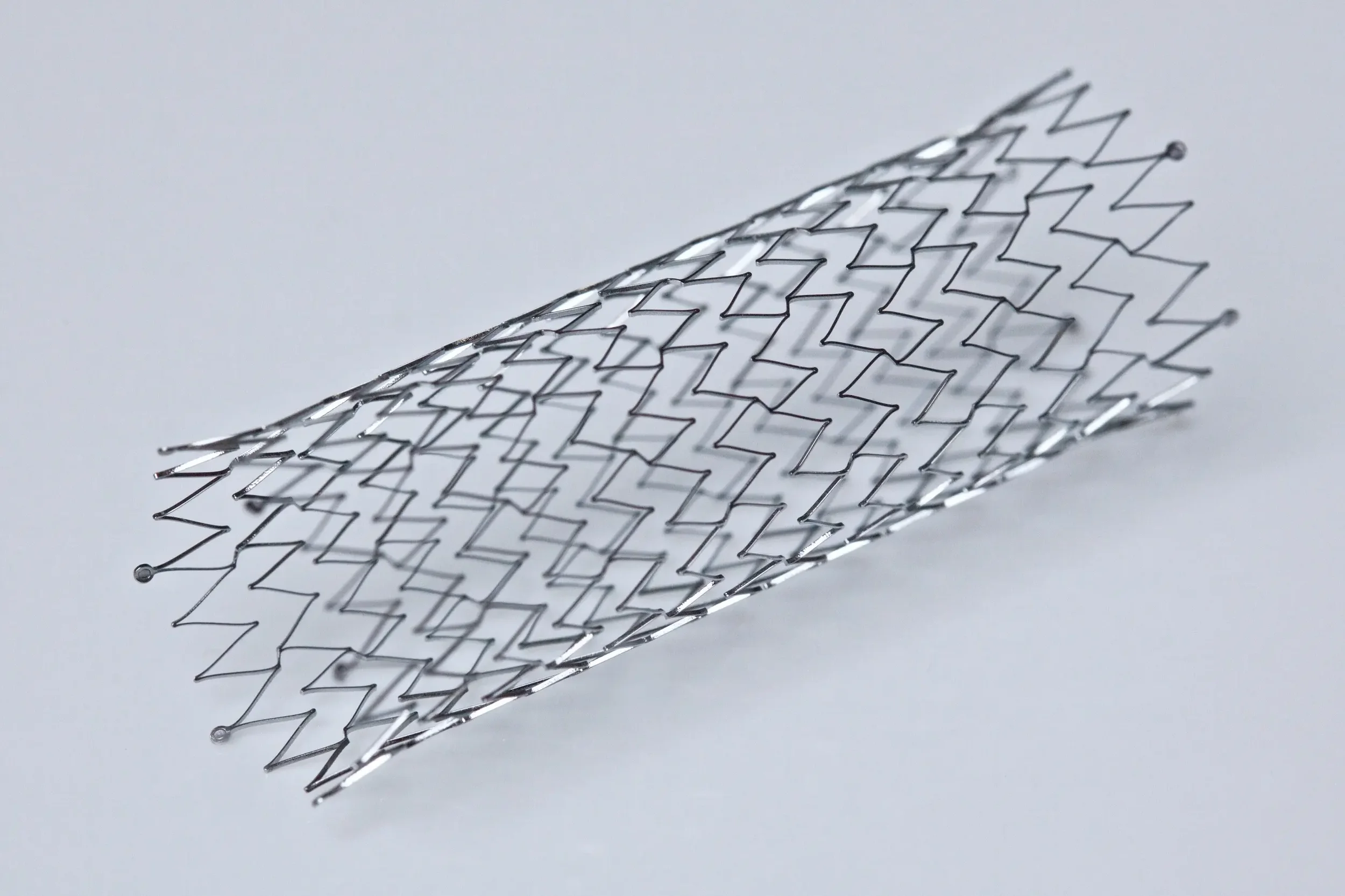
Antithrombotic Coating for Implantable Blood-Contacting Devices
Implantable blood-contacting devices face demanding biological and mechanical requirements. These devices may remain in contact with circulating blood for extended periods, making the blood-material interface an important part of development, testing, and risk assessment.