

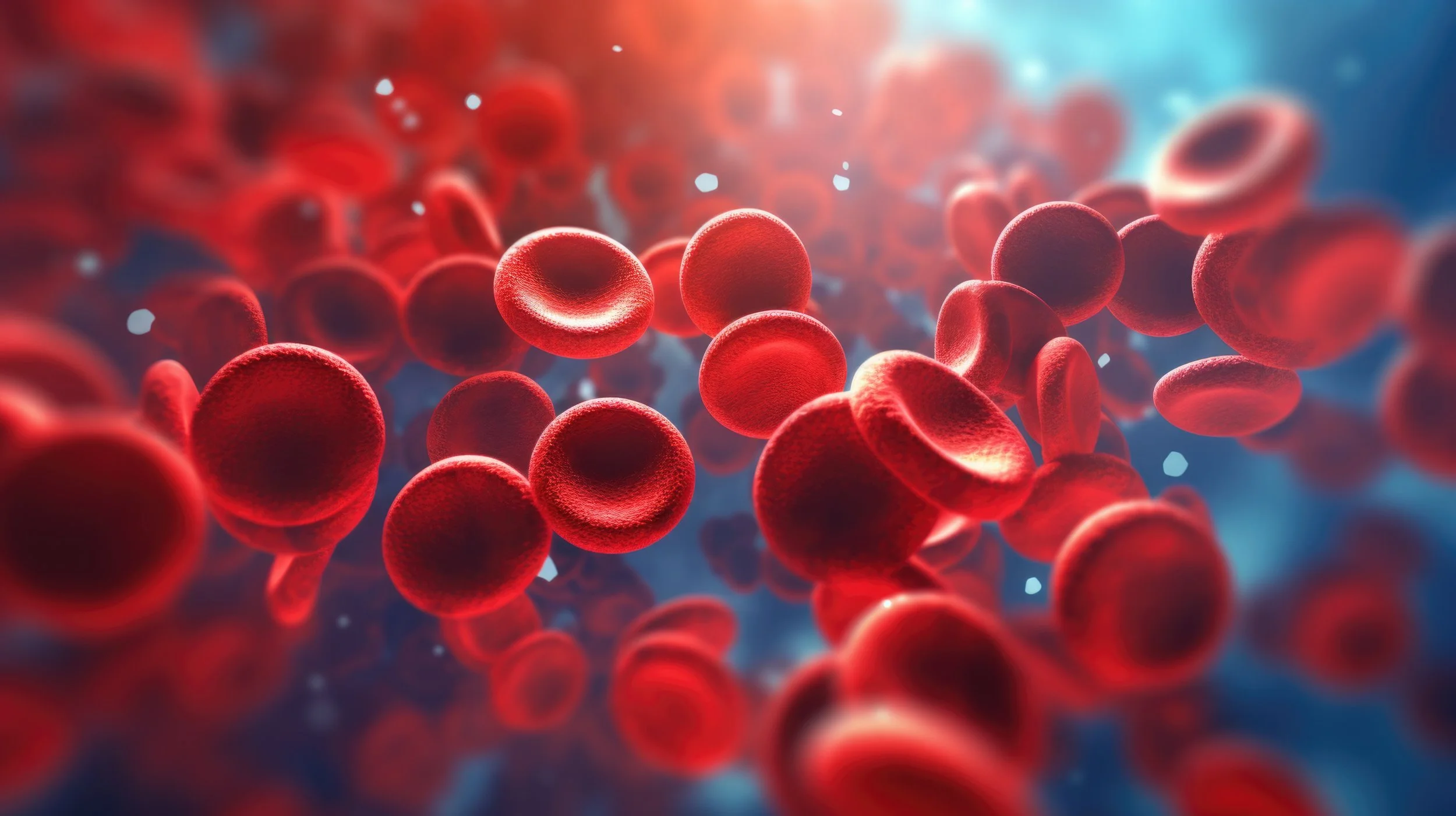
Blood Loop Testing
How Blood Loop Testing Evaluates Thrombus Formation
In vitro blood flow loop testing is a dynamic bench method used to evaluate how a medical device interacts with circulating blood. For blood-contacting devices, loop testing can provide useful information about thrombus formation, platelet response, fibrin deposition, hemolysis, and other blood interaction endpoints.
Unlike static material exposure tests, blood loop testing circulates blood through a controlled test system. This allows the device or test article to be exposed to moving blood under defined conditions such as temperature, flow rate, anticoagulation level, exposure time, and circuit configuration.
Why Dynamic Testing Matters
Many blood-contacting devices are used in flowing blood. Flow conditions can influence platelet transport, protein deposition, residence time, shear, stagnation zones, and thrombus formation. A static test may not capture how device geometry and fluid movement affect the blood-material interaction.
Dynamic flow loop testing can be especially useful for devices such as:
Vascular stents
Covered stents
Vascular grafts
Shunts
Pacemaker Leads
Catheters
Blood filters
Thrombectomy devices
Embolic protection devices
Extracorporeal blood-contacting components
Mechanical circulatory support components
What a Blood Loop Test Can Compare
Blood flow loop testing is often used to compare test articles under matched conditions. Examples include:
Coated vs. uncoated devices
Prototype coating process A vs. process B
Different coating thicknesses or surface treatments
Different device materials
Different device geometries
Device regions with different blood-contacting surfaces
Candidate coating technologies against control surfaces
This comparative design is useful because the biological response to blood-contacting devices can be influenced by many variables. Testing coated and uncoated versions of the same device helps isolate the effect of surface modification.
Common Blood Loop Test Outputs
Depending on the study design, blood loop testing may include:
Visual assessment of thrombus accumulation
Quantification of fibrin or protein deposition
Platelet count before and after circulation
White blood cell count before and after circulation
Plasma-free hemoglobin or hemolysis-related measurements
Coagulation-related markers
Surface imaging after blood exposure
Comparison of device regions or material surfaces
The appropriate endpoints depend on the device, development stage, and test objective.
Test Design Considerations
A useful blood loop study requires careful control of test variables. Important considerations include:
Blood source and donor variability
Anticoagulant selection and concentration
Time from blood draw to test start
Test temperature
Flow rate and circulation method
Loop material compatibility
Test article placement and orientation
Exposure duration
Sample handling and endpoint timing
Positive and negative controls
Replicate number and statistical planning
Because blood is biologically variable, study design should include appropriate controls and replicates whenever feasible.
Blood Loop Testing During Coating Development
For coated devices, blood loop testing can be used during feasibility and development to determine whether a coating changes thrombus-related outcomes compared with an uncoated device. This type of testing may be performed before more formal validation or regulatory testing to identify promising coating approaches and optimize surface preparation or coating process parameters.
How Alta Biomed Supports Blood Loop Testing
Alta Biomed provides dynamic human blood flow loop testing support for blood-contacting medical devices. Our hemocompatibility testing services can be used to compare coated and uncoated devices, evaluate PzF coating feasibility, and support development-stage decisions for vascular and other blood-contacting technologies.
Interested in Comparing Coated and Uncoated Devices in a Blood Loop Model?
Contact Alta Biomed to discuss study design options.