

Hemocompatibility Testing
How Hemocompatibility Testing Is Performed
Hemocompatibility testing evaluates how a medical device interacts with blood. For any device that contacts circulating blood — vascular implants, stents, grafts, catheters, filters, and similar technologies — these interactions can affect both patient safety and device performance, and they are a core part of biological evaluation during development.
Because blood is a complex, biologically active fluid, hemocompatibility is not a single measurement. It is a set of evaluations selected based on the device, its materials, how long it contacts blood, and how it is used clinically.
What Hemocompatibility Testing Evaluates
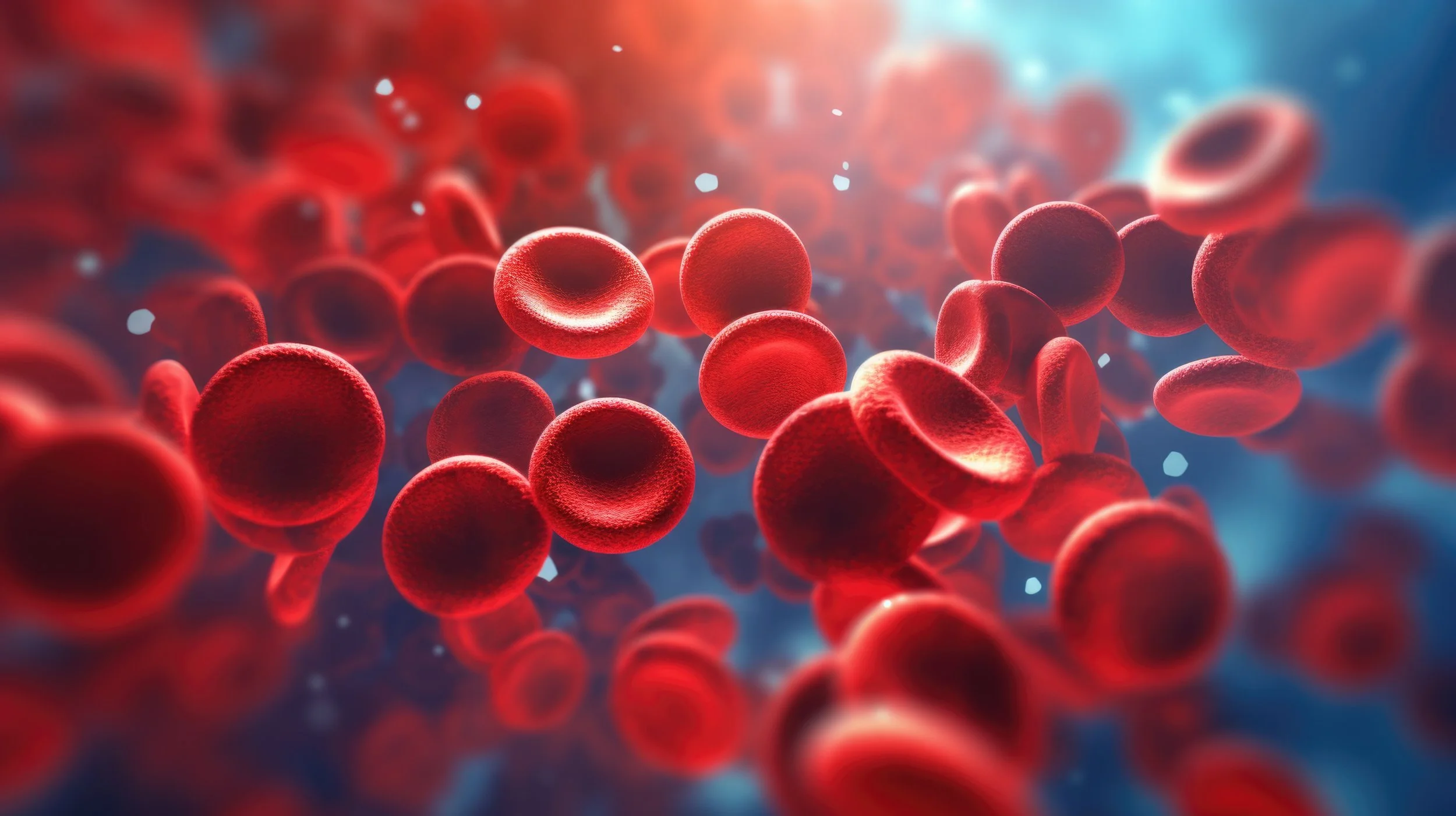
When a device contacts blood, its surface interacts with plasma proteins, platelets, red and white blood cells, and the coagulation and complement systems. Depending on the device and conditions, these interactions can lead to protein adsorption, platelet adhesion and activation, thrombin generation, fibrin formation, thrombus accumulation, red blood cell damage, or immune-related responses.
Hemocompatibility testing characterizes these responses so developers can understand how a device — or a surface modification such as a coating — behaves in contact with blood.
ISO 10993-4 and a Risk-Based Approach
Hemocompatibility evaluation is commonly guided by ISO 10993-4, part of the ISO 10993 series for biological evaluation of medical devices. Rather than prescribing one universal test, ISO 10993-4 supports a risk-based approach: the appropriate evaluations are selected based on the device's blood-contact category, duration of contact, materials, and intended clinical use.
This means the test plan for a long-term vascular implant may look very different from that of a short-term catheter or an extracorporeal component.
Common Hemocompatibility Endpoints
Depending on the device, a hemocompatibility program may evaluate several categories of blood interaction:
Thrombosis — Formation of clot or thrombus on or around the device surface, often assessed after dynamic blood exposure.
Coagulation — Activation of the coagulation pathway, evaluated using clotting-related markers.
Platelets — Platelet adhesion, activation, consumption, or changes in platelet count after blood exposure.
Hematology — Changes in blood cell counts following device contact.
Hemolysis — Damage to red blood cells, commonly measured through plasma-free hemoglobin.
Complement activation — Activation of immune-related blood proteins, where relevant to the device and its use.
The endpoints selected should reflect the device type, blood-contact duration, clinical use, and regulatory pathway.
Static vs. Dynamic (Blood Loop) Testing
Many blood-contacting devices operate in flowing blood, and flow strongly influences how blood interacts with a surface. A static exposure test — where a device simply sits in blood — may not capture the effects of flow, shear, residence time, or device geometry.
For this reason, dynamic testing is often more representative for vascular and flow-exposed devices. A common dynamic method is the in vitro blood loop, which circulates blood through a controlled test system so the device is exposed to moving blood under defined conditions.
How a Blood Loop Test Is Performed
While each study is designed around the specific device, a dynamic human blood loop evaluation generally follows a consistent structure:
Define the objective and endpoints. The study begins with a clear question — for example, comparing a coated and uncoated device — and the endpoints relevant to it (thrombus, platelet response, hemolysis, and so on).
Prepare the test system. The device or a representative test article is placed in a circulation loop, and conditions such as temperature, flow rate, anticoagulation level, and exposure time are set to reflect the development question.
Introduce and circulate blood. Fresh human blood is circulated through the loop with the test article for a defined period under controlled conditions.
Include appropriate controls. Because blood is biologically variable, studies incorporate controls — such as an uncoated device, a reference material, or a loop blank — to help interpret the results.
Collect and analyze endpoints. After circulation, the device and blood samples are evaluated. Depending on the study, this may include visual and microscopic assessment of thrombus, platelet and white-cell counts before and after circulation, plasma-free hemoglobin or other hemolysis measures, coagulation-related markers, and imaging of the device surface.
Interpret against controls and objectives. Results are evaluated relative to the controls, comparator data, and the original test question.
Testing Coated vs. Uncoated Devices
One of the most informative hemocompatibility comparisons is a coated device tested against the same device uncoated, under identical conditions. This design helps isolate the effect of a surface modification — such as a PzF coating — from the influence of device geometry, base material, or the test system itself. Comparative testing is especially useful during coating feasibility and development.
Hemocompatibility Testing for Coated Devices
For coated blood-contacting devices, testing should evaluate the finished device surface, not just the base material. A coating changes the outermost surface chemistry and can influence blood-interaction results, so test articles should be representative of the final device design and manufacturing process whenever possible. Coating coverage, uniformity, and integrity can all affect blood-contacting performance and should be considered alongside the biological endpoints.
How Alta Biomed Supports Hemocompatibility Testing
Alta Biomed provides dynamic human blood loop testing support for blood-contacting medical devices. Our testing can be used to compare coated and uncoated devices, evaluate PzF coating feasibility, and support development-stage decisions and ISO 10993-4-aligned test planning for vascular and other blood-contacting technologies. Where a program calls for specialized or additional biological endpoints, Alta can coordinate with qualified partner laboratories.
Our work is designed to help development teams generate practical, device-relevant data during feasibility and development, before more formal validation or regulatory testing.
Developing a Blood-Contacting Device?
Contact Alta Biomed to discuss hemocompatibility testing and coated vs. uncoated study design.